
Most dangerous neighborhoods in Milwaukee: What they hide from you
- Getting Real About Milwaukee’s Roughest Neighborhoods
- How Milwaukee Stacks Up: The Big Picture on Crime in 2024
- Breaking Down the Most Dangerous Neighborhoods in Milwaukee
- What Life Is Like Inside Milwaukee’s Sketchy Spots
- Why These Neighborhoods Stay Rough: The Root Causes Behind Crime-Ridden Areas
- What’s Being Done to Turn the Tide in Milwaukee’s High Crime Zones
- Tips and Tricks for Staying Safe in Milwaukee’s Rough Parts
- Voices from Milwaukee: What Locals Say About Their Neighborhoods
- What You Need to Know About Milwaukee’s Most Dangerous Neighborhoods
- References and Further Reading
Getting Real About Milwaukee’s Roughest Neighborhoods
Thinking about living, visiting, or just curious about Milwaukee’s safety? It’s no secret that some parts of the city have a reputation for being rough or dodgy. But what does that really mean day-to-day? This article digs into the facts and stories behind the most dangerous neighborhoods in Milwaukee, giving you a clear picture beyond the headlines.
Understanding these areas isn’t about fear-mongering. It’s about knowing where to be cautious, what challenges residents face, and how the city is working to make things better. Whether you’re a local, a visitor, or someone thinking about moving here, this guide offers straightforward info, backed by data and real voices from the community.
How Milwaukee Stacks Up: The Big Picture on Crime in 2024
Milwaukee ranks among the top cities in the U.S. with higher rates of violent crime. In 2024, it’s often listed as one of the risky towns in the US, with violent crimes occurring at a rate roughly 1,596 incidents per 100,000 people. That’s well above the national average, placing Milwaukee in the spotlight for safety concerns.
But what does “dangerous” really mean here? It’s a mix of violent crimes like shootings and robberies, alongside property crimes such as burglaries and car thefts. These incidents shape daily life for many residents, especially in certain neighborhoods where poverty and unemployment rates are higher.
Over the last decade, crime trends in Milwaukee have fluctuated. Some years saw rises in violent incidents, while others showed slight improvements. The city’s struggles with inequality and economic hardship play a big role in these patterns. When jobs are scarce and social services limited, crime can become more common.
To put it in perspective, Milwaukee’s crime rates are higher than many other cities in Wisconsin but comparable to other large urban centers in the U.S. It’s important to understand this context when looking at the city’s safety challenges.
Breaking Down the Most Dangerous Neighborhoods in Milwaukee
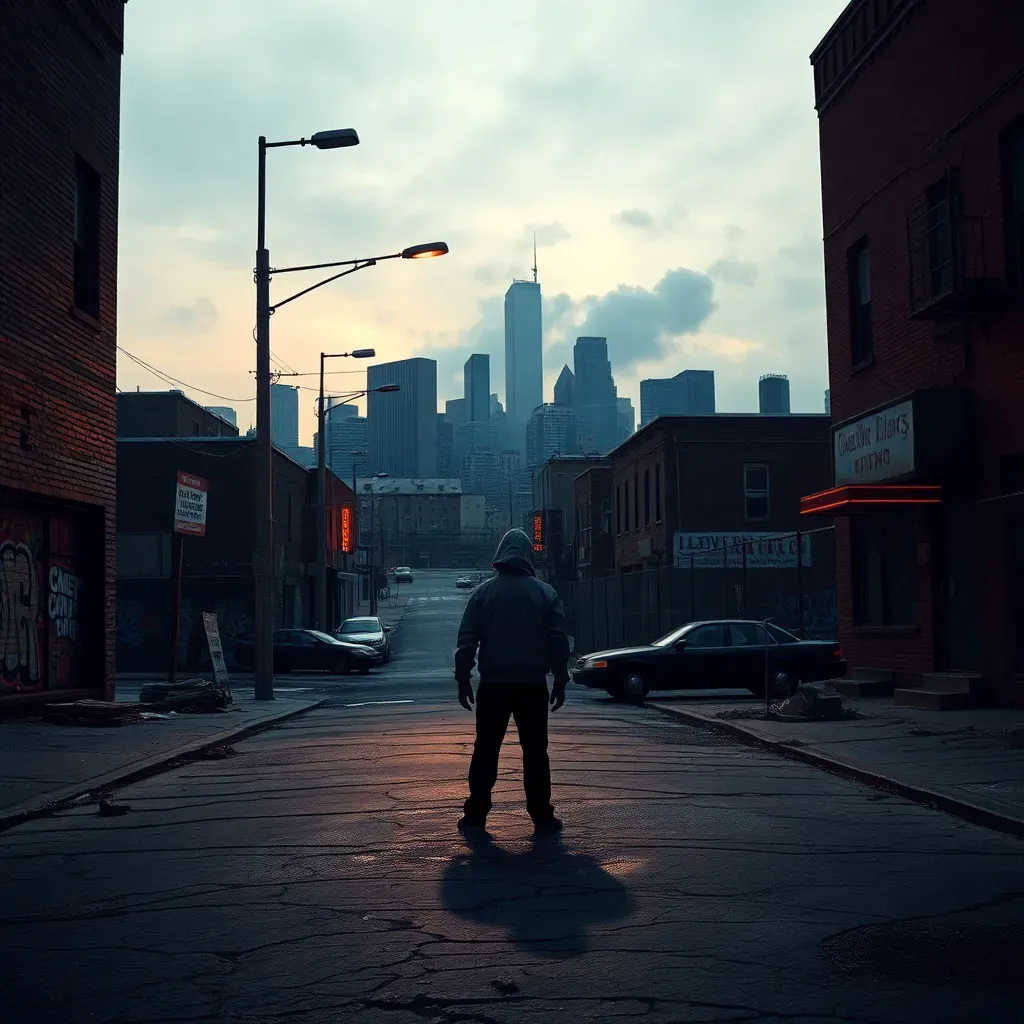
What makes a neighborhood sketchy or risky? It’s usually a combination of high crime rates, types of incidents reported, and ongoing community challenges like poverty and lack of resources.
Here’s a closer look at some of the worst areas in Milwaukee where residents and visitors alike are advised to stay alert:
- North Division: This neighborhood stands out as Milwaukee’s crime hotspot. Violent crime rates here are more than 3.5 times the national average. Residents report frequent incidents of shootings, robberies, and property crimes.
- Harambee: Known for high levels of property crime and violence, this area struggles with economic hardship and limited access to services.
- Amani and Washington Park: These neighborhoods face challenges with gang activity and poverty, contributing to elevated crime reports.
- Lindsay Heights and Sherman Park: Crime trends here show persistent issues, but community efforts are underway to improve safety.
- Riverwest, Bronzeville, Midtown, Clarke Square: Locals describe these areas as dodgy or shady at times, with a mix of crime incidents and community pride.
Visualizing crime across blocks, streets, parks, alleys, and corners reveals hotspots where incidents cluster. Shootings, robberies, carjackings, and burglaries dominate the reports in these zones.
| Neighborhood | Violent Crime Rate (per 100k) | Common Crime Types | Community Challenges |
|---|---|---|---|
| North Division | 3,500+ | Shootings, Robberies, Burglaries | Poverty, Limited Police Presence |
| Harambee | 2,800+ | Property Crime, Assaults | Economic Hardship, Gang Activity |
| Amani & Washington Park | 2,500+ | Gang Violence, Drug-related Crimes | Unemployment, Social Services Gaps |
| Lindsay Heights & Sherman Park | 2,200+ | Robberies, Shootings | Community Disinvestment |
| Riverwest, Bronzeville, Midtown, Clarke Square | 1,800+ | Property Crime, Assaults | Mixed Economic Status, Community Efforts |
What Life Is Like Inside Milwaukee’s Sketchy Spots
Living in or near these rough parts of Milwaukee means dealing with a mix of challenges. Residents often share stories about the impact of crime on their daily routines—from cautious walks to local shops to concerns about kids playing outside.
Many talk about how crime affects houses, buildings, cars, and small businesses. Broken windows, vandalism, and theft are common worries. Police presence varies, with some areas seeing more patrols while others feel neglected, which can affect community trust.
One tough reality is the “wrong place, wrong time” factor. Innocent people sometimes get caught up in crime reports or mistaken identity arrests, adding stress to already difficult situations.
Milwaukee's Most Dangerous Neighborhoods: Violent Crime Rates & Challenges (2024)
North Division
3,500+ per 100k
Common Crimes Shootings, Robberies, Burglaries
Challenges Poverty, Limited Police Presence
Harambee
2,800+ per 100k
Common Crimes Property Crime, Assaults
Challenges Economic Hardship, Gang Activity
Amani & Washington Park
2,500+ per 100k
Common Crimes Gang Violence, Drug Crimes
Challenges Unemployment, Service Gaps
Lindsay Heights & Sherman Park
2,200+ per 100k
Common Crimes Robberies, Shootings
Challenges Community Disinvestment
Riverwest, Bronzeville, Midtown, Clarke Sq.
1,800+ per 100k
Common Crimes Property Crime, Assaults
Challenges Mixed Economy, Community Efforts
Why These Neighborhoods Stay Rough: The Root Causes Behind Crime-Ridden Areas
Crime in Milwaukee’s shady districts isn’t random. It’s tied to deeper issues like poverty and unemployment. When people lack access to education, jobs, and social services, it creates conditions where crime can thrive.
Historical segregation and systemic inequality have shaped these neighborhoods over decades, leaving lasting effects. Drugs, gangs, and illegal activities often fill the gaps left by economic hardship.
Broken trust between police and residents fuels a cycle where cooperation is limited, making crime harder to fight. Many areas also lack community assets like parks, shops, and safe spaces that help build stronger neighborhoods.
What’s Being Done to Turn the Tide in Milwaukee’s High Crime Zones
The city and police have launched initiatives like remote video monitoring, increased patrols, and crime analytics to better target problem areas. Community programs focus on youth outreach, neighborhood watches, and support from local nonprofits.
Since 2016, federal aid and grants have aimed to reduce violence, with some neighborhoods showing promising improvements. However, challenges remain, including funding gaps, political will, and resident engagement.
Tips and Tricks for Staying Safe in Milwaukee’s Rough Parts
Knowing how to spot risky areas and avoid sketchy spots in Milwaukee can make a big difference. Here are some practical tips:
- Avoid poorly lit streets and alleys, especially at night.
- Stick to well-traveled routes and stay aware of your surroundings.
- Connect with local community groups or neighbors for up-to-date safety info.
- If you witness an incident, report it to police but stay safe and avoid confrontation.
- Keep emergency contacts handy, including local police and legal aid resources.
Voices from Milwaukee: What Locals Say About Their Neighborhoods
On Reddit’s Milwaukee threads, users often mention rough spots like North Division and Harambee, sharing personal experiences and advice. One user noted, “You gotta be careful around certain blocks after dark, but there’s still good people trying to make it better.”
Local forums highlight community pride despite challenges, with residents organizing cleanups and watch groups.
News discussions reflect mixed feelings—concern about crime but hope in ongoing improvements.
Reddit discussion on North Side
Milwaukee safety blog
Youth perspectives on Milwaukee neighborhoods
What You Need to Know About Milwaukee’s Most Dangerous Neighborhoods
To wrap up, Milwaukee’s high crime zones are shaped by complex factors like poverty, inequality, and historical challenges. Neighborhoods such as North Division, Harambee, and Amani face ongoing issues with violent and property crimes.
Yet, it’s not all bleak. Community efforts, city initiatives, and federal support are making a difference in some areas. Knowing the rough parts of Milwaukee helps residents and visitors make safer choices and appreciate the resilience behind the headlines.
Understanding these neighborhoods means looking beyond stereotypes and recognizing the people and places working toward a better future.
What do you think about Milwaukee’s neighborhoods? Have you had experiences in these areas? How would you like to see the city improve safety? Share your thoughts or questions below!
References and Further Reading
 Is it safe to walk in Milwaukee at night? Shocking truths revealed
 Is Milwaukee dangerous? Shocking truths about crime you won’t believe
 Is Baltimore dangerous? The shocking crime truth you won’t believe
Si quieres conocer otros artículos parecidos a Most dangerous neighborhoods in Milwaukee: What they hide from you puedes visitar la categoría Milwaukee.
Leave a Reply