
Is St. Louis safe neighborhoods? The shocking truth revealed
- Setting the Scene for St. Louis Neighborhood Safety
- Why St. Louis Gets Tagged as One of the “Dangerous Cities in the US”
- Crime Data: City vs. Metro Area — What You Need to Know
- Breaking Down the Safest Neighborhoods in St. Louis: Where You Can Feel Secure
- What Makes a Neighborhood Safe? Key Factors to Consider
- Real Voices: What Locals Say About Safety in Their Neighborhoods
- Comparing St. Louis to Other Risky Towns in the US: Is It Really That Bad?
- How Local Authorities and Communities Are Tackling Crime
- Practical Guide: Choosing the Right Neighborhood in St. Louis for Your Lifestyle
- The Real Deal on Is St. Louis Safe Neighborhoods?
- Sources and Further Reading
Setting the Scene for St. Louis Neighborhood Safety
The latest crime statistics from 2022 and early 2023 paint a complex picture of St. Louis. While some numbers show challenges, the city also boasts neighborhoods where safety and community spirit thrive. St. Louis has long been known for its rich culture, food scene, and job opportunities, but its reputation as a “dangerous city” often overshadows these positives. Many folks—families, young adults, students—wonder if the city’s charm is worth the risk or if they should steer clear.
This article aims to uncover the real story behind St. Louis’s mixed reputation. We’ll highlight neighborhoods where residents feel safe, discuss what makes a neighborhood truly secure, and offer practical tips for staying safe. Whether you’re thinking about moving here, visiting, or just curious, this guide is designed to help you make informed decisions about St. Louis neighborhoods.
Why St. Louis Gets Tagged as One of the “Dangerous Cities in the US”
St. Louis often pops up in headlines as one of the most dangerous cities in the US. Media reports tend to focus on crime statistics that highlight violent incidents, especially in certain parts of the city. This focus creates a public perception that the entire city is risky or unsafe. But the reality is more nuanced.
Crime stats usually cover only St. Louis City, which has a smaller population but higher crime rates in some neighborhoods. This can paint a misleading picture for outsiders who don’t realize the larger metro area includes safer suburbs. The city has some sketchy spots in St. Louis—areas where neighbors warn about incidents or where police presence is lighter at night. These dodgy neighborhoods in St. Louis contribute to the “dangerous city” label.
However, not all neighborhoods are the same. Some are rough-around-the-edges, while others are surprisingly safe and welcoming. It’s important to understand that the city’s reputation is shaped by a few risky streets and unsafe blocks, but many areas offer a strong sense of community and security.
Crime Data: City vs. Metro Area — What You Need to Know
One key to understanding St. Louis crime is knowing the difference between St. Louis City and St. Louis County. They are separate entities with their own governments, police departments, and crime reporting systems. The city itself has about 300,000 residents, while the metro area, including the county, has over 2.8 million people.
Because crime rates are often calculated per capita, the city’s smaller population means even a moderate number of crimes can result in a high crime rate. The county, with its larger population and generally lower crime, balances the metro area's overall safety picture.
Here’s a quick look at the numbers:
| Area | Population (approx.) | Violent Crime Rate (per 100k) | Murder Rate (per 100k) |
|---|---|---|---|
| St. Louis City | 300,000 | 1,900 | 60 |
| St. Louis County | 1,000,000+ | 400 | 5 |
| Combined Metro Area | 2,800,000+ | 600 | 12 |
When you combine city and county data, the crime rate drops significantly, making St. Louis’s overall safety comparable to other US cities of similar size. This math shifts the narrative away from “dangerous parts of St. Louis” to a more balanced view.
Breaking Down the Safest Neighborhoods in St. Louis: Where You Can Feel Secure
If you’re asking “is St. Louis safe neighborhoods?” the answer is yes—there are several places where safety and community go hand in hand. Here are some of the top spots:
- Lindenwood Park Often ranked as the safest neighborhood, it features low crime rates, family-friendly parks, and well-maintained streets.
- North Hampton Known for quiet sidewalks, good schools, and active neighborhood watch programs.
- Hi-Pointe A charming area with a strong community vibe and lower crime than city averages.
- Clifton Heights Offers green spaces and a friendly atmosphere, making it a great spot for families.
- Central West End A vibrant urban pocket with good lighting, active police presence, and plenty of bars and restaurants.
Suburban neighborhoods like Ladue, Chesterfield, and Clayton are generally upscale, quiet, and have very low crime rates. These areas offer excellent schools, safe parks, and a calm atmosphere.
Downtown and Soulard are popular with young adults. While they have more activity, they benefit from good security measures and community watch groups.
| Neighborhood | Crime Rate (Lower is Safer) | Amenities (Schools, Parks, Shops) | Accessibility (Traffic, Buses, Trains) |
|---|---|---|---|
| Lindenwood Park | Low | Excellent schools, parks, local shops | Good bus routes, walkable streets |
| North Hampton | Low | Family-friendly parks, schools nearby | Moderate traffic, bus access |
| Central West End | Moderate | Restaurants, bars, cultural spots | Excellent public transit, walkable |
| Ladue | Very Low | Top schools, quiet parks | Car-dependent, low traffic |
| Downtown | Moderate | Entertainment, offices, shops | Good transit, busy streets |
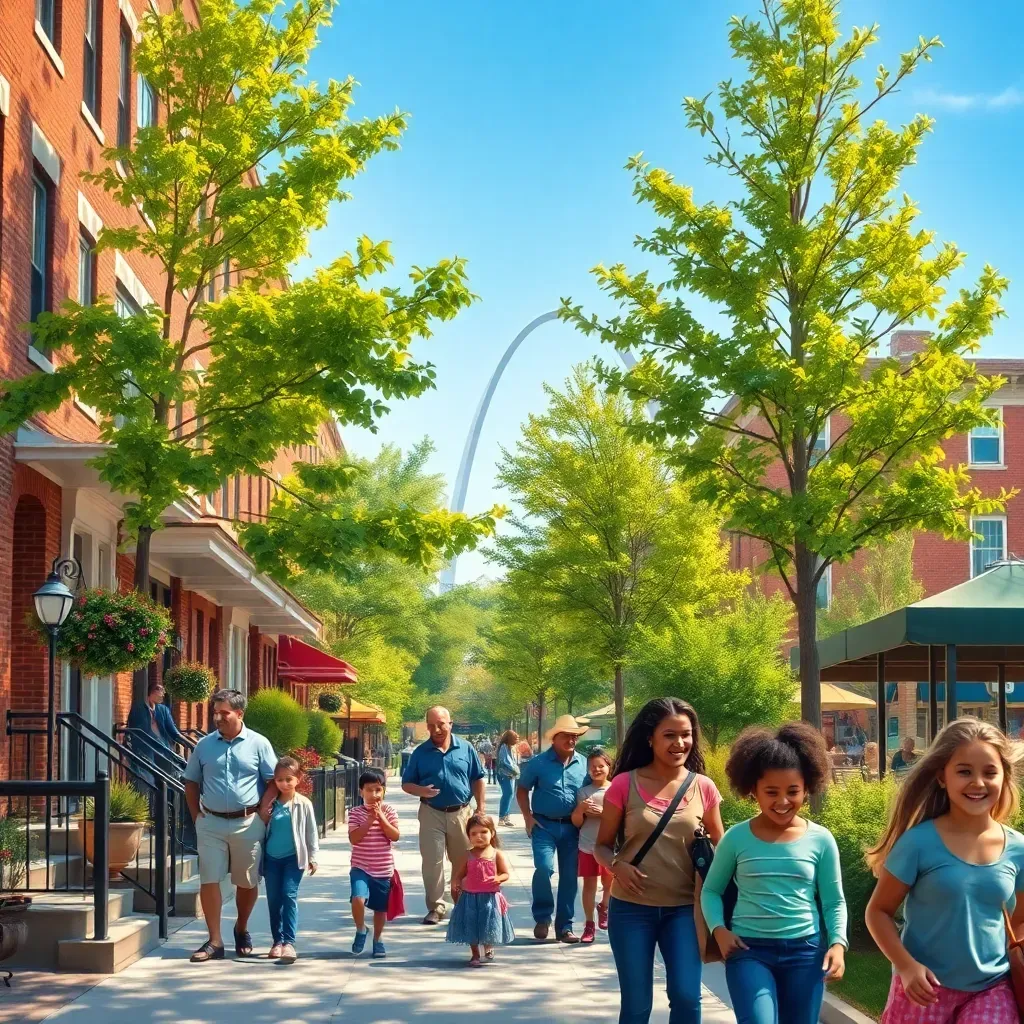
What Makes a Neighborhood Safe? Key Factors to Consider
Safety is about more than just numbers. A neighborhood’s vibe, infrastructure, and community involvement play huge roles.
- Community vibe Friendly neighbors, kids playing outside, and adults who know each other create natural safety nets.
- Street lighting Well-lit streets and sidewalks reduce risky spots and discourage crime.
- Businesses and shops Active commercial areas mean more eyes on the street and safer public spaces.
- Neighborhood watch programs These groups help keep an eye on suspicious activity and foster communication with police.
- Traffic signs and pedestrian safety Proper signage and crosswalks protect walkers and reduce accidents.
On the flip side, watch out for warning signs like poorly lit alleys, abandoned buildings, frequent police sirens, and strangers who seem out of place. These can mark sketchy, dodgy, or rough-around-the-edges areas.
Practical tips for staying safe include staying aware of your surroundings, avoiding risky spots at night, and using public transit wisely.
Real Voices: What Locals Say About Safety in Their Neighborhoods
Hearing from people who live in St. Louis adds valuable perspective. On Reddit and local forums, residents share honest takes about their neighborhoods.
“I live in North Hampton, and it feels safe most of the time. We have good neighbors and the police patrol regularly. Just avoid some blocks after dark.” — Reddit user
“Downtown has its moments, but with the community watch and new lighting, it’s getting better. I enjoy the restaurants and culture here.” — Local forum member
Community groups often organize events to improve safety and build trust. Some residents express caution about certain unsafe blocks or shady corners, especially at night, but many feel proud of their neighborhoods’ progress.
TripAdvisor forum on St. Louis safety
CrimeGrade safe places report
Crime Rates Comparison: St. Louis vs Other US Cities
Violent Crime: 600/100k
Violent Crime: 1800/100k
Violent Crime: 1900/100k
Violent Crime: 1200/100k
Neighborhood Safety Highlights
Crime Rate: Low
Amenities: Excellent schools, parks, local shops
Accessibility: Good bus routes, walkable streets
Crime Rate: Low
Amenities: Family-friendly parks, schools nearby
Accessibility: Moderate traffic, bus access
Crime Rate: Moderate
Amenities: Restaurants, bars, cultural spots
Accessibility: Excellent public transit, walkable
Crime Rate: Very Low
Amenities: Top schools, quiet parks
Accessibility: Car-dependent, low traffic
Crime Rate: Moderate
Amenities: Entertainment, offices, shops
Accessibility: Good transit, busy streets
What This Means
St. Louis’s overall crime rates look high when you only check the city, but adding the county and suburbs shows a more balanced picture. Compared to Detroit, Baltimore, and Cleveland, St. Louis has lower murder and violent crime rates metro-wide. Plus, neighborhoods like Lindenwood Park and Ladue offer very low crime and great amenities, making them solid choices for families and folks wanting peace of mind. The city’s mix of urban energy and safe pockets means you can find a spot that fits your lifestyle without stressing about safety.
Comparing St. Louis to Other Risky Towns in the US: Is It Really That Bad?
St. Louis is often compared to cities like Detroit, Baltimore, and Cleveland, which also have reputations for high crime. Here’s a quick comparison:
| City | Population (approx.) | Murder Rate (per 100k) | Violent Crime Rate (per 100k) | Notes |
|---|---|---|---|---|
| St. Louis (City + County) | 2.8 million | 12 | 600 | Urban-suburban mix, some safe pockets |
| Detroit | 670,000 | 40 | 1,800 | High violent crime, economic challenges |
| Baltimore | 600,000 | 55 | 1,900 | High crime concentrated in certain areas |
| Cleveland | 380,000 | 30 | 1,200 | Similar urban challenges |
St. Louis’s unique geography—with a dense city core surrounded by safer suburbs—means crime is unevenly spread. Some dangerous parts of St. Louis resemble rough neighborhoods elsewhere, but many areas are calm and secure.
Like many US cities, St. Louis has its sketchy spots, but also plenty of safe neighborhoods where people live, work, and raise families.
The St. Louis Police Department has launched several initiatives to improve safety, including community policing programs that build trust between officers and residents. Neighborhood associations and watch groups play a big role in keeping an eye on unsafe areas and reporting suspicious activity.
Technology helps too. Security cameras, improved street lighting, and real-time crime maps give residents and police better tools to prevent crime. Some neighborhoods have seen crime rates drop thanks to these efforts.
Residents can get involved by joining local groups, attending community meetings, and staying informed through official channels.
Practical Guide: Choosing the Right Neighborhood in St. Louis for Your Lifestyle
Looking for a safe neighborhood? Here’s a checklist to help:
- Check local crime maps and recent news reports.
- Visit neighborhoods at different times of day and night.
- Look for well-maintained sidewalks, good lighting, and active businesses.
- Consider proximity to schools, parks, and public transit.
- Talk to residents about their experiences.
- Balance affordability with safety and convenience.
Families might prioritize quiet streets and good schools, while young professionals may value nightlife and transit access. For example, a young professional might choose Central West End for its vibrant scene and safety, while a family might prefer Lindenwood Park for its parks and schools.
The Real Deal on Is St. Louis Safe Neighborhoods?
To wrap it up, St. Louis’s reputation as a dangerous city comes from a mix of real crime issues and perception shaped by selective stats. When you look closely, many neighborhoods are safe, family-friendly, and full of life.
Understanding the difference between city and metro crime rates, listening to locals, and visiting neighborhoods yourself are key to finding the right spot. Safety depends on data, community, and your own awareness.
St. Louis is a city of contrasts—some risky blocks exist, but so do thriving, secure communities. With the right info, you can find a neighborhood that fits your lifestyle and peace of mind.
What do you think about St. Louis neighborhoods? Have you experienced any sketchy or safe spots? How would you like to see the city improve safety? Share your thoughts, questions, or stories in the comments below!
Sources and Further Reading
- Schultz Myers: Safest Neighborhoods in St. Louis
- Property Club NYC: St. Louis Neighborhood Safety
- PASS Security: St. Louis Crime Map Report
- Roach Law Office: Safest Neighborhoods in St. Louis MO
- Reddit Discussion on Affordable & Safe Neighborhoods
- CrimeGrade: Safest Places in St. Louis MO
- TripAdvisor Forum: Safety and Crime Overall in St. Louis
 Is St. Louis places to avoid? Shocking spots you won’t believe
 Is St. Louis moving to crisis? The shocking truth revealed
Si quieres conocer otros artículos parecidos a Is St. Louis safe neighborhoods? The shocking truth revealed puedes visitar la categoría Missouri.
Leave a Reply