
Is Los Angeles family safety a myth? Discover the shocking truth now
- Why Family Safety in Los Angeles Is a Hot Topic
- The Safety Landscape: What Makes a City Family-Safe?
- How Dangerous Is Los Angeles Compared to Other US Cities?
- Neighborhood Safety in Los Angeles: Where to Stay and Where to Avoid
- Real Voices: What Locals Say About Family Safety in Los Angeles
- How Los Angeles Family Safety Is Supported: Community Programs and Police Presence
- School Safety in Los Angeles: What Parents Need to Know
- Practical Family Safety Tips for Living in Los Angeles
- Comparing Los Angeles to Other US Cities for Family Safety: A Clear Look
- Is Los Angeles Family Safety a Myth or Reality?
- Sources and Further Reading
Why Family Safety in Los Angeles Is a Hot Topic
Is Los Angeles really safe for families? That’s the big question on many parents’ minds. LA often gets tagged as a sketchy, risky, or even wild city. But families want more than headlines—they want the real story. Whether you’re thinking about moving here or already call LA home, understanding the safety landscape is crucial.
Families crave neighborhoods where kids can play outside, schools feel secure, and emergency help is close by. Yet, LA’s sprawling size and diverse communities mean safety isn’t the same everywhere. This article promises a no-nonsense look at crime stats, neighborhood vibes, and practical safety tips to help you decide if LA can be a family-friendly place for you.
The Safety Landscape: What Makes a City Family-Safe?
When we talk about family safety in a city, it’s more than just crime numbers. It’s about feeling secure walking your kids to school, knowing emergency services respond quickly, and trusting your community supports families.
Key factors include:
- Crime rates Violent crime and property crime affect how safe families feel.
- School safety Safe schools with anti-bullying policies and emergency plans matter a lot.
- Police presence Visible law enforcement can deter crime and reassure residents.
- Community programs Youth outreach, neighborhood watches, and family support services build safer environments.
Los Angeles is a patchwork of neighborhoods, so how Los Angeles family safety feels depends heavily on where you live. Areas with active community programs and strong police presence often feel safer, while places with ongoing gang activity in Los Angeles and higher violent crime statistics can feel more challenging.
How Dangerous Is Los Angeles Compared to Other US Cities?
To get a clear picture, let’s compare LA’s crime rates with other risky towns in the US and sketchy cities in America. According to recent FBI data and city crime reports:
| City | Violent Crime Rate (per 100k) | Property Crime Rate (per 100k) | Family-Related Safety Concerns |
|---|---|---|---|
| Los Angeles, CA | 750 | 2,800 | Moderate; varies by neighborhood |
| Chicago, IL | 950 | 3,000 | Higher violent crime; some risky neighborhoods |
| Detroit, MI | 1,200 | 3,500 | High crime; many areas to avoid |
| New York, NY | 550 | 2,000 | Generally safer; strong police presence |
While LA’s crime rates are higher than New York’s, they’re generally lower than Detroit’s and Chicago’s. The types of crime affecting families often include property crimes like burglary and theft, but some neighborhoods also report incidents related to gang activity in Los Angeles. These dodgy neighborhoods in LA can skew perceptions, but many parts of the city remain family-friendly.
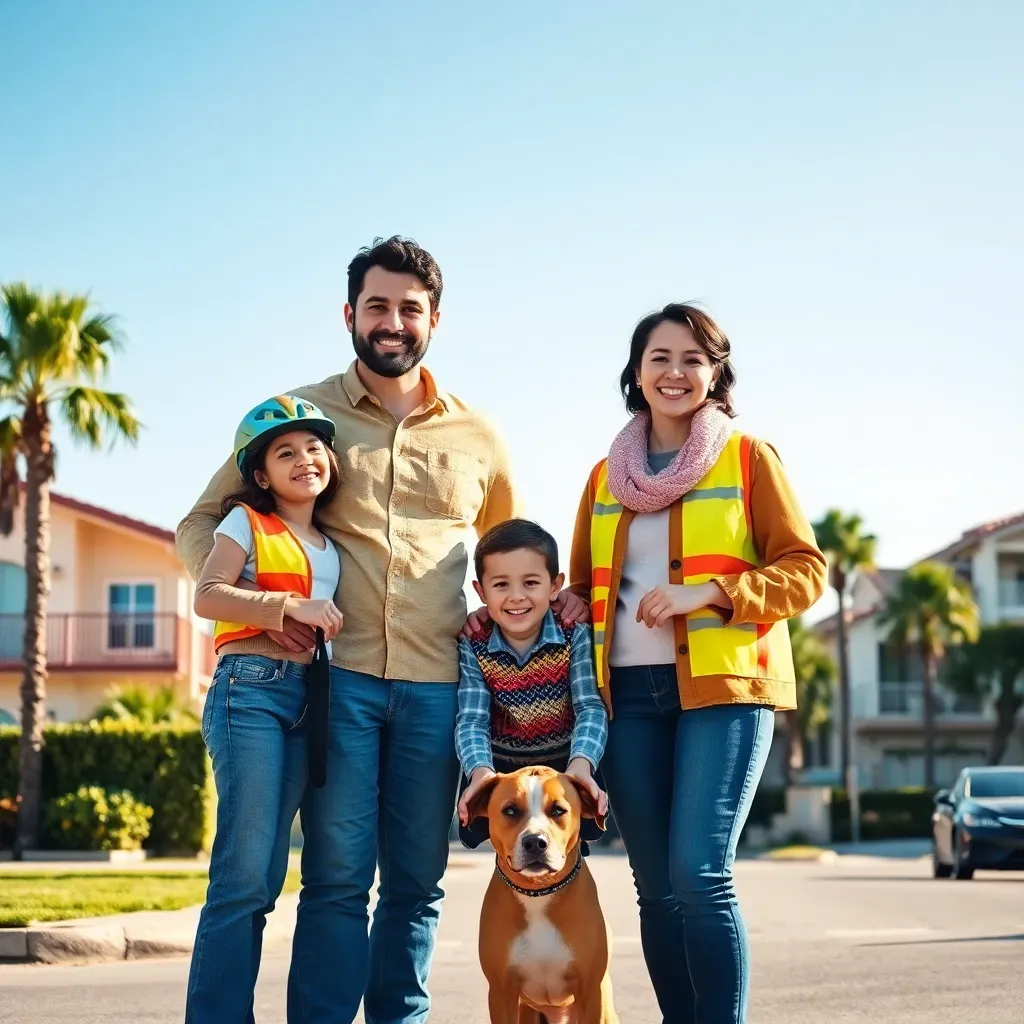
Neighborhood Safety in Los Angeles: Where to Stay and Where to Avoid
Los Angeles is huge, and safety varies widely. Here’s a breakdown:
Safe areas Los Angeles families love
- Santa Monica Beachside community with good schools and active police patrols.
- Pasadena Family-friendly vibe, strong neighborhood watches, and quality schools.
- Brentwood Quiet, upscale, with low crime rates and good community programs.
- San Marino Known for excellent schools and safe streets.
Neighborhoods to approach with caution
- Skid Row High homelessness and crime rates; not ideal for families.
- South Central LA Some areas have ongoing safety concerns related to gang activity.
- Watts Has seen improvements but still faces challenges.
- East Hollywood Mixed reputation with some shady spots.
Neighborhood safety can shift over time. For example, community efforts and increased police presence have improved some previously rough areas. When choosing where to live, look for signs like street lighting, community centers, and active neighborhood watches.
Real Voices: What Locals Say About Family Safety in Los Angeles
Hearing from Angelenos gives a fuller picture. Parents and teachers often share their experiences on platforms like Reddit and local forums.
“I love raising my kids in Pasadena. The schools are great, and the neighborhood feels safe. We have block parties and everyone watches out for each other.” – Local Parent on Reddit
“LA can be hectic, especially downtown at night. I avoid certain areas after dark, but during the day, it’s a different vibe.” – Teacher in South LA
“There are amazing family-safe spots if you know where to look. Community programs really help kids stay out of trouble.” – Community Leader
These voices show that while some find LA wild or hectic, others discover amazing family-friendly neighborhoods. You can explore more on forums like Reddit’s LA parenting threads.
How Los Angeles Family Safety Is Supported: Community Programs and Police Presence
Community programs play a big role in making LA safer for families. Youth outreach programs, after-school activities, and neighborhood watches help build trust and reduce crime.
The police presence in Los Angeles varies by neighborhood. Some areas have dedicated community policing teams focusing on family safety. However, challenges remain, such as balancing enforcement with community trust.
Mandated reporting laws require professionals like teachers and doctors to report suspected child abuse. Studies like L.A.FANS and RAND highlight that while these systems aim to protect children, they sometimes overwhelm resources with unsubstantiated reports, especially affecting Black families disproportionately.
Emergency services in LA are generally well-equipped, with quick response times in most family neighborhoods. Ongoing efforts focus on improving coordination between police, social services, and community groups to enhance overall safety.
School Safety in Los Angeles: What Parents Need to Know
School safety is a cornerstone of family safety. LA schools have policies to handle bullying, violence, and emergencies. Many schools conduct regular drills and have security measures in place.
Compared to cities like San Diego, LA schools vary widely. Some have excellent safety records and community involvement, while others face challenges tied to their neighborhoods.
Parents should research schools and neighborhoods together, considering factors like:
- School safety ratings
- Proximity to emergency services
- Community engagement
Resources like the LA Unified School District website and local parent groups can keep families informed and involved.
Practical Family Safety Tips for Living in Los Angeles
Living in LA means balancing excitement with caution. Here are some tips:
- Home security Install good lighting, secure locks, and consider alarms.
- Neighborhood awareness Get to know your neighbors and join local watch groups.
- Safe commuting Plan routes avoiding poorly lit or isolated areas, especially at night.
- Emergency preparedness Keep kits with essentials and know local emergency contacts.
- Gang activity Stay informed about local risks and avoid known hotspots.
Getting involved in community programs not only helps safety but builds connections that make LA feel more like home.
Comparing Los Angeles to Other US Cities for Family Safety: A Clear Look
Here’s a quick comparison of LA with other major cities on family safety factors:
| City | Crime Rate | School Safety | Community Programs | Police Presence |
|---|---|---|---|---|
| Los Angeles | Moderate | Varies widely | Strong in some areas | Variable by neighborhood |
| San Diego | Lower | Generally good | Robust | Consistent |
| New York | Lower | Good | Strong | High |
| Chicago | Higher | Mixed | Developing | High |
LA offers a vibrant city life with many family-safe spots but requires careful neighborhood choice. San Diego tends to feel more laid-back and family-oriented, while New York has strong police presence. Chicago faces more challenges with violent crime.
Is Los Angeles Family Safety a Myth or Reality?
Los Angeles isn’t simply safe or unsafe—it’s a city of contrasts. There are risky, dodgy, and unsafe spots, but also many family-safe spots with strong community support and good schools.
How safe you feel depends a lot on where you live and how you prepare. Using data, listening to local voices, and following practical safety tips can help protect your family.
LA continues to improve through community programs, better policing, and engaged residents. So, family safety in LA is not a myth—it’s a reality you can shape.
Sources and Further Reading
- Los Angeles Family and Neighborhood Survey (L.A.FANS) - RAND
- Reddit: Raising Children in Los Angeles
- Supporting Families - Los Angeles County
- Quora: How safe is Los Angeles for families?
- Imprint News: LA Child Welfare System
What do you think about family safety in Los Angeles? Have you experienced any risky or safe neighborhoods firsthand? How would you like to see community programs improve? Share your thoughts, questions, or stories in the comments below!
 Is Oakland dangerous for tourists? Shocking truths revealed
 Is Oakland crime rate safe for expats? Shocking truths revealed
Si quieres conocer otros artículos parecidos a Is Los Angeles family safety a myth? Discover the shocking truth now puedes visitar la categoría California.
Leave a Reply