
Most dangerous cities in California: crime hotspots you won’t believe
- Setting the Scene on California’s Crime Landscape
- Crime in California: What Makes a City “Dangerous”?
- The Top Most Dangerous Cities in California: A Closer Look
- What Makes These Cities Risky? Breaking Down the Crime Drivers
- Neighborhoods and Streets to Watch Out For: Inside the Most Dangerous Areas
- Comparing Crime Rates: Most Dangerous Cities vs Safer California Cities
- How Crime Trends Are Changing: What’s New in California’s Dangerous Cities?
- Voices from the Streets: Opinions and Experiences from Locals and Experts
- Practical Advice: How to Stay Safe in California’s Most Dangerous Cities
- What You Need to Know About California’s Crime Hotspots
- Sources and Further Reading
Setting the Scene on California’s Crime Landscape
California is a huge state with a mix of bustling urban centers, quiet suburbs, and rural towns. Because of this diversity, crime rates can vary a lot from one city to another. When people talk about the "most dangerous" cities, they usually mean places with higher rates of violent crime like assaults, robberies, and homicides, as well as property crimes such as burglary and theft. But it’s not just about numbers — it’s about how these crimes affect residents, travelers, and anyone thinking about moving.
People care about safety for obvious reasons: no one wants to live or visit a place where they feel at risk. Whether you’re a parent, a student, or just someone who enjoys city life, knowing which areas have more crime can help you make smarter choices. This article goes beyond the headlines. We dive into real data, share voices from locals, and update you on the latest trends so you get a full picture of California’s crime hotspots.
Crime in California: What Makes a City “Dangerous”?
Crime can be confusing if you’re not familiar with the terms. Here’s a quick rundown:
- Violent crime: Includes offenses like homicide (murders), robbery, rape, and aggravated assault.
- Property crime: Covers burglary, larceny-theft, motor vehicle theft, and arson.
Crime rates are usually measured per 100,000 people to compare cities fairly, regardless of size. But bigger cities don’t always mean more crime. Some smaller towns have surprisingly high crime rates, while some big cities are relatively safe.
Several factors influence crime levels:
- Poverty and unemployment often correlate with higher crime rates.
- Gang activity can drive violent crime in certain neighborhoods.
- Policing levels and community relations affect how safe people feel.
- Urban design — poorly lit streets, abandoned buildings, and unclear signage — can create risky spots.
- Social services availability helps prevent crime by supporting vulnerable populations.
It’s important to be careful when reading crime reports. Sometimes numbers don’t tell the whole story, and local context matters a lot.

The Top Most Dangerous Cities in California: A Closer Look
Here’s a quick overview table showing key stats for some of California’s cities with higher crime rates:
| City | Population | Violent Crime Rate (per 100,000) |
Property Crime Rate (per 100,000) |
Recent Trend |
|---|---|---|---|---|
| Oakland | 425,000 | 1,200 | 3,500 | Stable |
| Stockton | 320,000 | 1,100 | 3,200 | Increasing |
| San Bernardino | 215,000 | 1,050 | 3,000 | Increasing |
| Compton | 95,000 | 1,000 | 2,800 | Stable |
| Richmond | 110,000 | 950 | 2,900 | Decreasing |
| Vallejo | 120,000 | 900 | 3,100 | Stable |
| Modesto | 215,000 | 850 | 2,700 | Increasing |
| Bakersfield | 380,000 | 800 | 2,600 | Stable |
| Fresno | 530,000 | 780 | 2,500 | Stable |
| Long Beach | 470,000 | 750 | 2,400 | Decreasing |
Oakland
Oakland’s streets have a reputation for being gritty, with a high rate of violent crime including robberies and assaults. However, community groups and local authorities are actively working on safety initiatives. Residents often mention areas with poor lighting and abandoned buildings as spots to be cautious about, especially at night.
Stockton
Stockton struggles with homicides and robberies, partly due to economic challenges and gang presence. Locals warn about certain neighborhoods where police presence is limited after dark. Despite this, community programs aim to improve safety and provide opportunities for youth.
San Bernardino
Gang influence plays a big role in San Bernardino’s crime rates. Police departments face staffing shortages, which can affect response times. Some parts of the city have seen increased property crimes, and residents advise caution in less-lit streets and isolated areas.
Compton
Known historically for gang violence, Compton still has crime hotspots that locals describe as shady or rough. However, there are also neighborhoods showing improvement thanks to community engagement and policing efforts.
Richmond
Richmond has some rough neighborhoods but also strong community safety initiatives. Residents highlight the importance of neighborhood watch programs and local events that help reduce crime and improve trust between police and citizens.
Vallejo
Vallejo faces spikes in property crime, including vehicle theft and burglary. Local police have introduced strategies to increase patrols in high-risk areas, and residents recommend avoiding poorly lit streets at night.
Modesto
Violent crime is on the rise in Modesto, with concerns about certain neighborhoods where assaults and robberies occur more frequently. Community leaders are pushing for better lighting and more social services to address root causes.
Bakersfield
Bakersfield experiences property crimes and drug-related offenses. While some areas are considered dodgy, others remain relatively safe. Residents suggest staying alert in less populated streets and reporting suspicious activity.
Fresno
Fresno’s crime rates are mixed, with some neighborhoods safer than others. Urban challenges like abandoned buildings and low police visibility in certain zones contribute to safety concerns.
Long Beach
Long Beach has pockets of risk amid generally safer areas. Locals point out that some streets have better lighting and community patrols, while others require extra caution, especially after dark.
What Makes These Cities Risky? Breaking Down the Crime Drivers
Gang activity is a major factor driving violent crime in many of these cities. Groups involved in drug trafficking and turf wars contribute to higher rates of assaults and robberies. Economic struggles like unemployment and poverty also play a big role, limiting opportunities and sometimes pushing people toward crime.
Policing challenges add to the problem. Many departments are understaffed or stretched thin, which can reduce patrols and slow response times. Community relations matter too — where trust between police and residents is low, cooperation drops, making crime harder to prevent.
Urban environments can invite crime if streets are poorly lit, buildings abandoned, or signs unclear. These conditions create risky spots where criminals can operate unnoticed. On the flip side, social services and community programs can help by providing support and alternatives, but their availability varies widely.
All these factors combine to create what some call hardcore or wild crime scenes in certain neighborhoods, making them places locals often describe as sketchy or dodgy.
Neighborhoods and Streets to Watch Out For: Inside the Most Dangerous Areas
Locals often mention specific neighborhoods as rough or shady. For example, in Oakland, areas with poor street lighting and abandoned buildings are frequently flagged on community forums like Reddit. Residents share stories about isolated streets where police presence is low, especially at night.
In Stockton, some neighborhoods have seen spikes in robberies and assaults, with locals advising visitors to avoid certain blocks after dark. Similar patterns appear in San Bernardino and Compton, where gang activity concentrates in particular zones.
Here’s what you might expect on the streets in these areas:
- Higher chances of encountering violent crime such as assaults or robberies
- Lower police visibility, especially during late hours
- Signs of neglect like broken streetlights, graffiti, and abandoned cars
- A community vibe that can feel tense or wary
To stay safe, locals recommend:
- Traveling in groups when possible
- Sticking to well-lit, busy streets
- Being aware of surroundings and avoiding distractions like phones
- Using apps or community alerts to stay updated on incidents
Urban design plays a big role here. Well-lit streets with clear signage and maintained buildings tend to feel safer and discourage crime. Conversely, dodgy areas often lack these features, making them more inviting for illegal activity.
Comparing Crime Rates: Most Dangerous Cities vs Safer California Cities
Let’s compare some of the most dangerous cities with safer ones like Irvine, San Ramon, and Murrieta:
| City | Population | Violent Crime Rate (per 100,000) |
Property Crime Rate (per 100,000) |
Key Safety Factors |
|---|---|---|---|---|
| Irvine | 290,000 | 150 | 1,200 | Strong policing, community programs, economic stability |
| San Ramon | 75,000 | 130 | 1,100 | Low poverty, active neighborhood watches, good urban design |
| Murrieta | 115,000 | 140 | 1,150 | Community engagement, well-funded police, stable economy |
| Oakland | 425,000 | 1,200 | 3,500 | Economic challenges, gang activity, urban decay |
| Stockton | 320,000 | 1,100 | 3,200 | High unemployment, gang presence, policing shortages |
Safer cities often benefit from better economic conditions, more community involvement, and stronger police presence. These factors help reduce crime and improve quality of life, which in turn attracts businesses and raises property values.
Interestingly, some smaller cities still have high crime rates due to local issues like gang activity or economic decline, while some large cities manage to keep crime relatively low through effective policies.
How Crime Trends Are Changing: What’s New in California’s Dangerous Cities?
Recent data from 2023-2024 shows mixed trends. Some cities like Richmond and Long Beach report slight decreases in violent crime, thanks to community policing and social programs. Others, including Stockton and San Bernardino, are seeing increases, partly linked to economic pressures and staffing challenges.
The COVID-19 pandemic also affected crime patterns. Lockdowns reduced some types of crime but increased others, like domestic violence and property crimes in certain areas. As cities reopen, police and community groups are adapting strategies to these new realities.
Initiatives such as increased street lighting, neighborhood watch programs, and youth outreach are making a difference in some neighborhoods. However, challenges remain, especially in areas with entrenched gang activity and economic hardship.
Looking ahead, experts suggest that sustained investment in social services and policing, combined with urban improvements, could help these cities become safer. But without action, some neighborhoods may continue to face risky conditions.
Voices from the Streets: Opinions and Experiences from Locals and Experts
Local resident from Oakland “Some parts of the city feel really unsafe at night, especially where the streetlights don’t work. But community groups are trying hard to make a change.”
Stockton forum user “I avoid certain neighborhoods after dark. Police are stretched thin, so it’s better to be cautious.”
San Bernardino police officer (interview) “We’re working on building trust with residents and increasing patrols, but staffing is a big challenge.”
Richmond community leader “Neighborhood watch programs and local events have helped reduce crime and bring people together.”
Vallejo Reddit thread “Property crimes are a problem, but new patrols have made some streets feel safer.”
Practical Advice: How to Stay Safe in California’s Most Dangerous Cities
Staying safe in these cities means being aware and prepared. Here are some tips:
- Research neighborhoods before visiting or moving. Use local forums and crime maps.
- Avoid poorly lit or isolated streets, especially at night.
- Travel in groups when possible and stay alert.
- Use smartphone apps that provide real-time crime alerts.
- Report suspicious activity to local authorities promptly.
- Get involved in community safety programs if you live there.
Technology and community resources can be powerful tools. Many cities have neighborhood watch apps or social media groups where residents share updates. Knowing where to go and what to avoid can make a big difference.
What You Need to Know About California’s Crime Hotspots
California’s most dangerous cities vary widely but often share common challenges like economic hardship, gang activity, and policing shortages. Understanding crime beyond just numbers helps you see the real risks and the efforts underway to improve safety.
Staying informed and cautious without fear is key. Whether you live, work, or visit these cities, knowing the sketchy spots and how to navigate them can keep you safer. This knowledge empowers you to make smarter decisions about where to be and when.
Sources and Further Reading
- Fresno Criminal Attorney - Most Dangerous Cities in California
- Wikipedia - California Locations by Crime Rate
- HowStuffWorks - Most Dangerous City in California
- US News - Most Dangerous Places in the U.S.
- American Security Force - Top Ten Most Dangerous Cities in the US
- iHeart - California Destinations Named Among Most Dangerous Cities
- Bamieh Desmeth - Dangerous Cities in Southern California
What do you think about the safety in these cities? Have you had experiences in any of these neighborhoods? How would you like to see community safety improve? Share your thoughts, questions, or stories in the comments below!
 Safest cities in California: surprising places you won’t believe
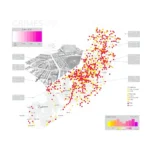 Crime rate by city in California 2025: shocking hotspots revealed
Si quieres conocer otros artículos parecidos a Most dangerous cities in California: crime hotspots you won’t believe puedes visitar la categoría California.
Leave a Reply