
Most dangerous neighborhoods in Detroit: what locals won’t tell you
- Why Detroit’s Reputation Precedes It
- Detroit’s Crime Landscape: More Than Just Numbers
- Mapping The Most Dangerous Neighborhoods in Detroit
- What Locals Say: Voices From Detroit’s Roughest Blocks
- Why Some Neighborhoods Stay Dangerous: Root Causes and Challenges
- Safety Tips for Visitors and New Residents: Navigating Detroit’s Risky Towns
- Comparing Detroit’s Dangerous Neighborhoods With Other Risky Towns in the US
- How Media and Movies Shape Detroit’s Image: Separating Fact From Fiction
- The Future of Detroit’s Most Dangerous Neighborhoods: Signs of Change?
- What You Need to Know About Detroit’s Most Dangerous Neighborhoods
- Opinions From the Streets: What Detroit Residents Really Say About Their Neighborhoods
- Sources and Further Reading
Why Detroit’s Reputation Precedes It
Detroit often pops up in conversations about the most dangerous cities in the US. Ranked among the top 10 for crime rates nationwide, it’s a city with a complex reputation. But what really makes a neighborhood “dangerous”? Is it just about numbers, or do perceptions and local experiences play a bigger role?
When you hear about crime in Detroit, it’s easy to think about violent offenses like robbery or assault. But there’s more to the story. Property crimes, gang activity, and economic struggles all shape how safe or risky a neighborhood feels. And locals? They often see things differently than what stats or news reports show. Their daily experiences, safety tips, and community efforts give a fuller picture.
This article will take you through Detroit’s crime landscape, highlight the neighborhoods that locals warn about, and share practical advice for staying safe. You’ll find detailed crime maps, real voices from Detroit’s streets, and insights into what’s being done to change things for the better.
Detroit’s Crime Landscape: More Than Just Numbers
Detroit’s crime rates stand out compared to many other big US cities. While some cities struggle with violent crime, others see more property-related offenses. In Detroit, both types are significant, but violent crimes like assaults and robberies tend to grab headlines.
Looking at recent police data from 2023 and 2024, there’s been a noticeable uptick in certain crime categories. Murders and aggravated assaults remain a concern, especially in specific neighborhoods. But property crimes like burglaries and thefts also impact residents’ sense of security.
Gangs and drug-related activities play a big role in shaping the city’s crime hotspots. Economic challenges, including unemployment and poverty, add layers of complexity. Neighborhoods with abandoned homes and vacant lots often see more incidents, which can create a cycle of decline and risk.
Population shifts also matter. As some areas lose residents, others see new development or community efforts. These changes influence where crime concentrates and how safe people feel day-to-day.
Mapping The Most Dangerous Neighborhoods in Detroit
Detroit’s crime map reveals clear “hot spots” where incidents cluster, and “cold spots” with fewer reports. Some of the neighborhoods that frequently appear on lists of concern include Franklin Park, Fiskhorn, Warrendale, Von Steuben, and Greensbriar. Others like Delray, Brightmoor, Cody Rouge, Grand River West, Northwest Detroit, Fitzgerald, Bagley, Southwest Detroit, and Detroit Eastside also come up often.
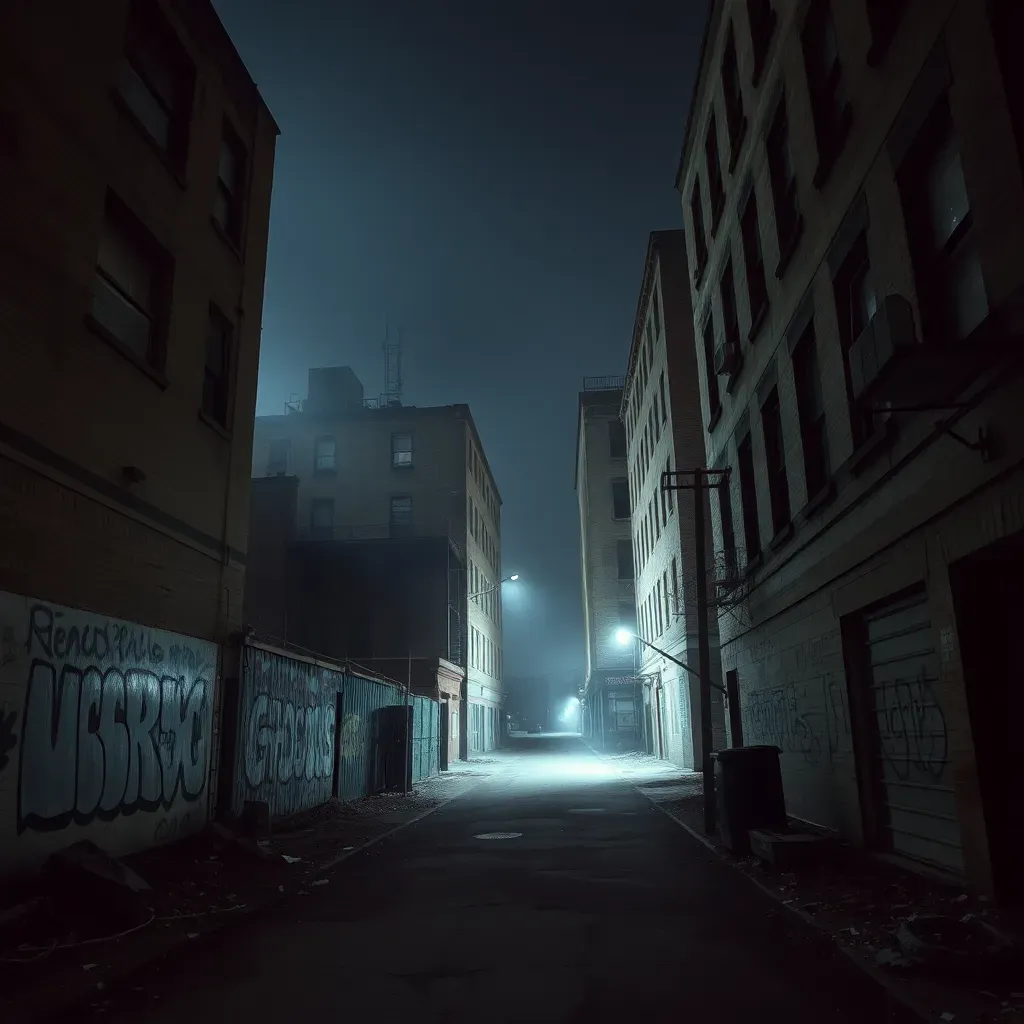
Locals describe these areas as sketchy, rough, or dodgy, often pointing to poor lighting, low police presence at night, and frequent reports of assaults or robberies. These neighborhoods tend to have higher rates of violent incidents and property crimes compared to the city average.
| Neighborhood | Violent Crime Rate (per 1,000) | Property Crime Rate (per 1,000) | Common Incidents | Local Descriptions |
|---|---|---|---|---|
| Franklin Park | 45 | 60 | Assaults, robberies, burglaries | Rough, low lighting, dicey at night |
| Fiskhorn | 50 | 55 | Violent incidents, drug-related offenses | Shady streets, hardcore gang presence |
| Warrendale | 48 | 58 | Robbery, assaults, property theft | Sketchy blocks, community watch active |
| Von Steuben | 42 | 50 | Assaults, burglaries | Unsafe spots, messed-up reputation |
| Greensbriar | 40 | 52 | Violent crimes, drug offenses | Gritty area, active police patrols |
What Locals Say: Voices From Detroit’s Roughest Blocks
Hearing from Detroit residents adds depth to the numbers. On Reddit threads and community forums, locals share stories about daily life in these neighborhoods. Many mention the importance of knowing which streets to avoid after dark and relying on community networks for safety.
One common theme is the struggle with limited police presence at night, which can make some blocks feel risky or unsafe. Yet, there’s also talk about neighbors looking out for each other, neighborhood watches, and grassroots efforts to improve conditions.
Residents often describe their neighborhoods as difficult but full of resilience. They warn visitors to stay alert, especially in areas like Brightmoor and Cody Rouge, but also highlight spots where community events and clean-up projects are making a difference.
“You gotta know the streets and times to avoid. Some blocks get quiet after dark, but others stay busy with folks trying to keep things safe.” – Detroit resident on Reddit
Why Some Neighborhoods Stay Dangerous: Root Causes and Challenges
Several factors keep certain Detroit neighborhoods in a cycle of risk. Economic decline hits hardest in areas with high unemployment and few resources. Abandoned homes and vacant lots not only lower property values but also create spaces where crime can thrive.
Policing in these neighborhoods faces challenges too. Departments often struggle with staffing shortages and building trust with residents. This can lead to less effective patrols and slower responses to incidents.
Gang activity and drug-related violence add complexity. These issues are deeply tied to economic and social conditions, making solutions difficult without community involvement and investment.
Local organizations and city programs are working to turn things around, focusing on rebuilding homes, improving lighting, and fostering community engagement. But progress takes time, and challenges remain.
If you’re visiting or moving to Detroit, staying safe means being informed and cautious. Here are some practical tips:
- Use crime maps and apps to check real-time reports before heading out.
- Avoid walking alone at night in neighborhoods known for higher incidents.
- Stick to well-lit streets and areas with active police patrols.
- If driving, plan routes to avoid dodgy or shady spots, especially after dark.
- Connect with local community groups or police precincts for advice and support.
Remember, many Detroit residents navigate their neighborhoods daily with awareness and care. Following their advice can help you stay safe too.
Comparing Detroit’s Dangerous Neighborhoods With Other Risky Towns in the US
Detroit’s crime patterns share similarities with cities like Chicago, Baltimore, and St. Louis, which also face challenges in certain neighborhoods. However, Detroit’s unique history of economic shifts and urban development shapes its crime landscape differently.
| City | Violent Crime Rate (per 1,000) | Property Crime Rate (per 1,000) | Common Challenges |
|---|---|---|---|
| Detroit | 43 | 55 | Economic decline, gang activity, abandoned properties |
| Chicago | 35 | 50 | Gang violence, drug trafficking, policing issues |
| Baltimore | 40 | 53 | Urban poverty, drug-related crimes, community distrust |
| St. Louis | 45 | 57 | High violent crime, economic challenges, policing gaps |
Detroit’s story is complex, with efforts underway to learn from other cities and improve neighborhood safety.
How Media and Movies Shape Detroit’s Image: Separating Fact From Fiction
Movies and TV shows often paint Detroit as a crime-ridden city, focusing on its gritty and hardcore sides. While these portrayals grab attention, they don’t always reflect the full reality.
Media coverage can sometimes overlook community efforts, improvements in policing, and positive changes happening in many neighborhoods. This skewed image affects how outsiders see Detroit and can impact local morale.
Understanding the real Detroit means looking past stereotypes and recognizing both challenges and progress. This balanced view helps visitors and residents alike make informed decisions about safety and engagement.
The Future of Detroit’s Most Dangerous Neighborhoods: Signs of Change?
There are promising signs that Detroit’s messed-up and dicey neighborhoods might be turning a corner. Recent investments focus on revitalizing housing, improving street lighting, and supporting community programs.
Neighborhood watches and local safety initiatives are growing, helping residents reclaim their blocks. Technology, like crime mapping and data analysis, also plays a role in targeting resources effectively.
Residents hope for more jobs, better police relations, and safer streets. While challenges remain, the city’s future looks brighter with ongoing community and city collaboration.
What You Need to Know About Detroit’s Most Dangerous Neighborhoods
Detroit’s worst areas include Franklin Park, Fiskhorn, Warrendale, and several others, each with unique challenges shaped by economic, social, and policing factors. Crime is a mix of violent and property offenses, influenced by gangs, drugs, and urban decay.
Listening to locals reveals a city full of resilience and community spirit, even in rough parts. Safety depends on awareness, using tools like crime maps, and connecting with neighborhood groups.
Detroit’s story is more than just crime stats — it’s about people working to improve their city. Staying informed and cautious helps visitors and residents navigate safely and support positive change.
Opinions From the Streets: What Detroit Residents Really Say About Their Neighborhoods
“Warrendale can feel shady at night, but the community watch groups really help keep things in check. You just gotta know where to go and when.” – Reddit user source
“Brightmoor’s got its problems, but neighbors are coming together to clean up and make it safer. It’s not all bad like the movies say.” – Community blog comment source
“You gotta be careful driving through some parts of Detroit at night, especially if you’re a white person or safe white visitor. Stick to main roads and avoid dodgy blocks.” – Quora discussion source
Sources and Further Reading
- Reddit: What are these neighborhoods like?
- CrimeGrade: Safest and Most Dangerous Places in Detroit
- GIS Geography: Detroit Crime Map
- iHeart: Top 5 Most Dangerous Neighborhoods in Michigan
- Sirix Monitoring: Is Detroit Safe?
- Quora: Safety for White Person Driving Through Detroit
- City-Data Forum: Good/Bad Neighborhoods & Suburbs
- ChipMusic Forum: Worst Neighborhoods in the World
What do you think about Detroit’s neighborhoods? Have you visited or lived in any of these areas? How would you like to see the city improve safety and community life? Share your thoughts, questions, or stories in the comments below!
 Is it safe to walk in Detroit at night? The truth you won’t believe
 Most dangerous cities in Michigan: crime hotspots you won’t believe
Si quieres conocer otros artículos parecidos a Most dangerous neighborhoods in Detroit: what locals won’t tell you puedes visitar la categoría Detroit.
Leave a Reply