
Is St. Louis the Worst Place to Live? Shocking Truths You Can’t Ignore
- Setting the Scene on St. Louis’s Reputation
- Why Does St. Louis Get Tagged as One of the Worst Places to Live?
- Breaking Down the Crime: What Do The Numbers Really Say?
- The Most Dangerous Neighborhoods in St. Louis: What You Need to Know
- Safer Spots and Hidden Gems: Not All of St. Louis Is Rough and Gritty
- What Makes a Neighborhood “Worst” or “Dangerous”? The Real Factors Behind the Label
- Real Voices: What Do People Living in St. Louis Say?
- How Does St. Louis Compare to Other Risky Towns in the US?
- What Can Be Done? Community Efforts and Future Outlook
- Is St. Louis Really the Worst Place to Live?
- Sources and Further Reading
Setting the Scene on St. Louis’s Reputation
St. Louis has long carried a reputation as one of the most dangerous and crime-ridden cities in the US. When people think of this city, words like sketchy streets, rough neighborhoods, and high crime rates often come up. But is this reputation fully deserved, or is there more to the story? We’ll take a deep dive into what really makes St. Louis a risky or tough place to live. You’ll get a clear look at the crime statistics, a breakdown of the neighborhoods that get the worst rep, and hear from real people who live there. We’ll balance the tough realities with some surprising positives, so you can decide for yourself what life in St. Louis is really like.
Why Does St. Louis Get Tagged as One of the Worst Places to Live?
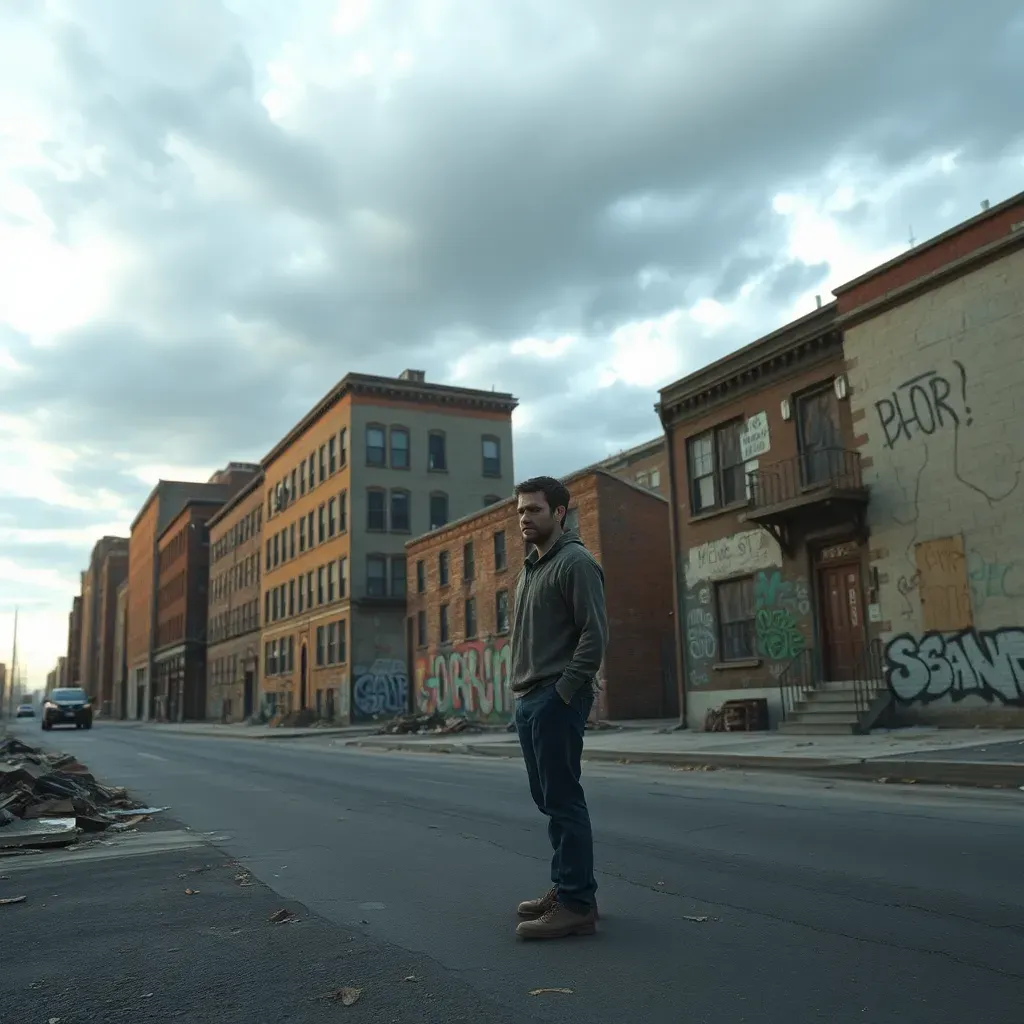
The label of worst places to live for St. Louis didn’t come out of nowhere. It’s tied closely to its standing among the crime-heavy cities in America and rough neighborhoods in the US. The crime rate here is often cited as a major factor, with violent crimes and property crimes well above national averages. But it’s not just about numbers. Economic struggles, urban decay, and how the media portrays the city all play a role in shaping this image.
Compared to other notorious cities like Detroit, Baltimore, Memphis, and Oakland, St. Louis often ranks near the top for violent crime per capita. However, it’s important to note that the city itself and the larger metro area show very different pictures. The metro area tends to have lower crime rates and better economic indicators.
Poverty and unemployment are also key players in this story. Many neighborhoods in St. Louis face challenges with joblessness and limited economic opportunities, which can contribute to social issues and higher crime. These factors combined create the tough reputation that sticks to the city, making it one of those dodgy places in the States that people warn about.
Breaking Down the Crime: What Do The Numbers Really Say?
Let’s get into the numbers to understand the crime situation in St. Louis. The city reports some of the highest rates of violent crime and property crime in the country. For example, the murder rate here is nearly three times the national average, and property crimes like burglaries and vehicle thefts are also notably high.
One thing to keep in mind is that St. Louis has a smaller population compared to other big cities, so the per capita crime rates can look inflated. Imagine a small town with a big problem — even a moderate number of crimes can push the rate way up.
When you compare the city to the surrounding county or metro area, the story changes. The county generally has much lower crime rates, which pulls the overall metro numbers down. This split is important because many people confuse the city’s stats with the entire metro area.
Police response times and community policing efforts vary across neighborhoods. Some areas have better coverage and quicker responses, while others face challenges due to limited resources. Public safety concerns remain a priority for local authorities, who are working on various initiatives to improve the situation.
| City | Violent Crime Rate (per 100k) | Murder Rate (per 100k) | Property Crime Rate (per 100k) | Population (approx.) |
|---|---|---|---|---|
| St. Louis (City) | 1,900 | 60 | 3,500 | 300,000 |
| Detroit | 1,800 | 40 | 3,200 | 670,000 |
| Baltimore | 1,700 | 55 | 3,100 | 600,000 |
| Memphis | 1,600 | 50 | 3,000 | 650,000 |
| Oakland | 1,500 | 45 | 2,900 | 430,000 |
The Most Dangerous Neighborhoods in St. Louis: What You Need to Know
Here’s a look at the top 10 neighborhoods in St. Louis that locals and data point to as the most challenging in terms of safety and quality of life. These areas often have higher crime rates, economic struggles, and social issues. Keep in mind, many residents here are working hard to improve their communities despite the challenges.
Wells-Goodfellow
Located on the north side, Wells-Goodfellow is known for its high rates of violent crime and property crime. The median income is well below the city average, and unemployment is a significant issue. Residents report frequent incidents of robberies and assaults, especially after dark. The area struggles with limited police presence and poor street lighting, making some streets feel risky and shady.
Gravois Park
This neighborhood faces similar challenges, with crime rates notably above city averages. Gang activity and drug trafficking have been reported, contributing to a sense of unease. Poverty levels are high, and many homes are in disrepair. Community groups are active here, trying to bring positive change.
JeffVanderLou
JeffVanderLou sees a high number of violent crimes, including assaults and homicides. The area is often cited in local news as a crime hotspot. Economic hardships and a lack of jobs contribute to the difficulties residents face daily.
Downtown West
While downtown areas often attract tourists and businesses, Downtown West has pockets where crime incidents like theft and assaults are more common. The mix of commercial and residential spaces creates unique challenges for policing and safety.
Dutchtown
Dutchtown has a mixed reputation. Some parts are improving, but others still report higher crime rates and economic struggles. Residents mention issues with drug-related crimes and occasional violent incidents.
Tower Grove South
This neighborhood has seen rising crime rates in recent years, with property crimes and assaults reported. Community efforts are underway to improve safety and neighborhood cohesion.
Bevo Mill
Bevo Mill faces challenges with unemployment and poverty, which correlate with higher crime rates. Residents advise caution in certain areas, especially at night.
Carondelet
Carondelet has a history of industrial decline, affecting economic opportunities. Crime rates here are above average, with reports of burglaries and vehicle thefts.
Downtown St. Louis
Even the heart of the city isn’t immune. Downtown St. Louis has areas where crime incidents like robberies and assaults occur, particularly in less trafficked streets or during late hours.
Near North Riverfront
This area struggles with urban decay and limited services. Crime rates are high, and residents often mention concerns about safety and police response times.
It’s not all messed-up or dangerous in St. Louis. Several neighborhoods offer a much safer, more welcoming environment with good schools, parks, shops, and a strong sense of community.
Areas like the Central West End, Clayton, and parts of South St. Louis have lower crime rates and better economic conditions. These neighborhoods boast thriving local businesses, well-maintained homes, and active community programs. Traffic and public transport are generally manageable, and residents enjoy access to green spaces and cultural spots.
Local initiatives focused on community crime prevention and improving public safety have made a difference here. Neighborhood watch groups, youth outreach programs, and partnerships between police and residents help keep these areas safer and more livable.
What Makes a Neighborhood “Worst” or “Dangerous”? The Real Factors Behind the Label
Calling a neighborhood dangerous isn’t just about raw crime numbers. Several factors contribute to this label:
- Presence of gangs and drug trafficking Areas with active gang violence or drug markets tend to have higher crime rates and more safety concerns.
- Police presence and effectiveness Neighborhoods with fewer officers or slower response times often see more unchecked crime.
- Economic opportunities and unemployment Lack of jobs can lead to poverty, which correlates with higher crime.
- Infrastructure issues Poorly lit streets, broken lights, missing signs, noisy environments, and harsh weather can all impact safety and quality of life.
- Social cohesion and community programs Strong community ties and active programs can reduce crime and improve perceptions.
Urban decay and public safety concerns feed into the perception of a neighborhood as sketchy or rough. Media coverage and portrayals in movies and series also shape how people see St. Louis, sometimes exaggerating the issues.
Real Voices: What Do People Living in St. Louis Say?
“I’ve lived in the north side for years, and yeah, some parts get rough at night, but there’s a lot of good people trying to make it better.” – Reddit user from r/StLouis
“People outside the city don’t get it. They just hear the headlines and think the whole place is dangerous. But there are safe neighborhoods and strong communities here.” – Local news comment
“I avoid certain streets after dark, but I love the parks and the vibe in my neighborhood. It’s not perfect, but it’s home.” – Resident interview
Many residents feel the worst places to live label is unfair or exaggerated. They highlight the human side behind the stats — families, community efforts, and everyday life that doesn’t always make the news.
How Does St. Louis Compare to Other Risky Towns in the US?
Here’s a comparative look at St. Louis alongside other crime-heavy cities in America like Chicago, Detroit, Baltimore, Memphis, Cleveland, Oakland, Philadelphia, and Milwaukee.
| City | Violent Crime Rate | Unemployment Rate | Median Income | Population | Quality of Life Index |
|---|---|---|---|---|---|
| St. Louis | 1,900 per 100k | 7.5% | $40,000 | 300,000 | 45/100 |
| Chicago | 1,200 per 100k | 6.8% | $45,000 | 2.7M | 50/100 |
| Detroit | 1,800 per 100k | 9.0% | $35,000 | 670,000 | 40/100 |
| Baltimore | 1,700 per 100k | 8.2% | $38,000 | 600,000 | 42/100 |
| Memphis | 1,600 per 100k | 7.8% | $37,000 | 650,000 | 43/100 |
While St. Louis has some of the highest violent crime rates, its smaller size and community efforts give it a unique profile. Other cities share similar struggles with unemployment and economic challenges, but each has its own approach to tackling these issues.
What Can Be Done? Community Efforts and Future Outlook
There are many ongoing efforts to improve safety and living conditions in St. Louis. Police reforms aim to increase trust and effectiveness, while neighborhood watch programs empower residents to look out for each other.
Youth outreach initiatives focus on providing alternatives to gang involvement and drug activity. Economic development projects seek to create jobs and revitalize struggling areas.
Schools, parks, bars, shops, and public transport all play a role in community safety. Well-lit parks and active businesses can deter crime, while reliable public transport helps residents access jobs and services.
Success stories show that change is possible. Some neighborhoods have seen drops in crime and improvements in quality of life thanks to combined community and government efforts.
It’s important to look beyond the messed-up reputation and recognize the city’s potential for growth and renewal.
Is St. Louis Really the Worst Place to Live?
So, is St. Louis truly the worst place to live? The answer isn’t simple. The city faces serious challenges with crime, economic struggles, and social issues, especially in certain neighborhoods. However, the larger metro area and many parts of the city offer safer, thriving communities with good schools, parks, and jobs.
Resident voices remind us that behind the stats are real people working hard to improve their neighborhoods. Comparing St. Louis to other rough neighborhoods in the US shows it shares many struggles but also unique strengths.
Ultimately, labels like dangerous or worst don’t tell the whole story. It’s a city with gritty realities but also hidden gems and hopeful futures.
Sources and Further Reading
- St. Louis Crime Map Report - PASS Security
- Most Dangerous Neighborhoods in St. Louis - Property Club
- Reddit Discussion: This is the Worst City in America
- Most Dangerous Places in the US - US News
- Dangerous Places in St. Louis After Dark - Only In Your State
- Most Dangerous Cities by State - World Population Review
What do you think about the reputation of St. Louis? Have you ever visited or lived in any of its neighborhoods? How would you describe your experience with safety, community, or city life there? Feel free to share your thoughts, questions, or stories in the comments below. Maybe you want to know more about specific neighborhoods, or how local initiatives are shaping the future. Let’s get the conversation going!
 Is St. Louis family safety really at risk? Find out now
 Is St. Louis dangerous? The shocking truth no one tells you
Si quieres conocer otros artículos parecidos a Is St. Louis the Worst Place to Live? Shocking Truths You Can’t Ignore puedes visitar la categoría Missouri.
Leave a Reply