
Is Los Angeles Worst Places to Live? Shocking Truths You Can’t Ignore
- Why People Ask “Is Los Angeles Worst Places to Live?”
- What Makes a City “Worst” to Live In? Understanding the Risks and Realities
- The Real Crime Scene: Breaking Down Los Angeles’ Dangerous Neighborhoods
- Why Some Parts of Los Angeles Are Still Safe and Livable
- How Socioeconomic Factors Shape the “Worst Places” in LA
- What Locals and Visitors Say: Real Opinions on LA’s Worst Neighborhoods
- Comparing Los Angeles to Other Dangerous Cities in the US
- How to Stay Safe and Make Smart Choices If You’re Living or Visiting LA
- The Future of Los Angeles Neighborhood Safety: Signs of Hope and Challenges Ahead
- Is Los Angeles Really One of the Worst Places to Live?
- Opinions From Real People: Voices on LA’s Dangerous and Sketchy Neighborhoods
- Sources and References for Further Reading
Why People Ask “Is Los Angeles Worst Places to Live?”
Los Angeles has long been known as the city of dreams, a place where movies, music, and culture come alive. But beneath the glitz and glam, many people wonder if LA is truly one of the worst places to live. The question pops up a lot because the city shows some pretty sharp contrasts. On one hand, you have beautiful beaches, thriving arts scenes, and booming industries. On the other, there are neighborhoods that locals and visitors alike describe as sketchy or rough, with concerns about safety and quality of life.
People asking “is Los Angeles worst places to live” want the real story — not just headlines or stereotypes. They want to know if the crime rates are as bad as they hear, which neighborhoods to watch out for, and if the city's challenges outweigh its perks. This article breaks down the facts, shares real stories, and explains what makes some parts of LA feel dodgy or risky. Whether you're thinking about moving, visiting, or just curious, we’ll help you get a clearer picture of what life in LA is really like.
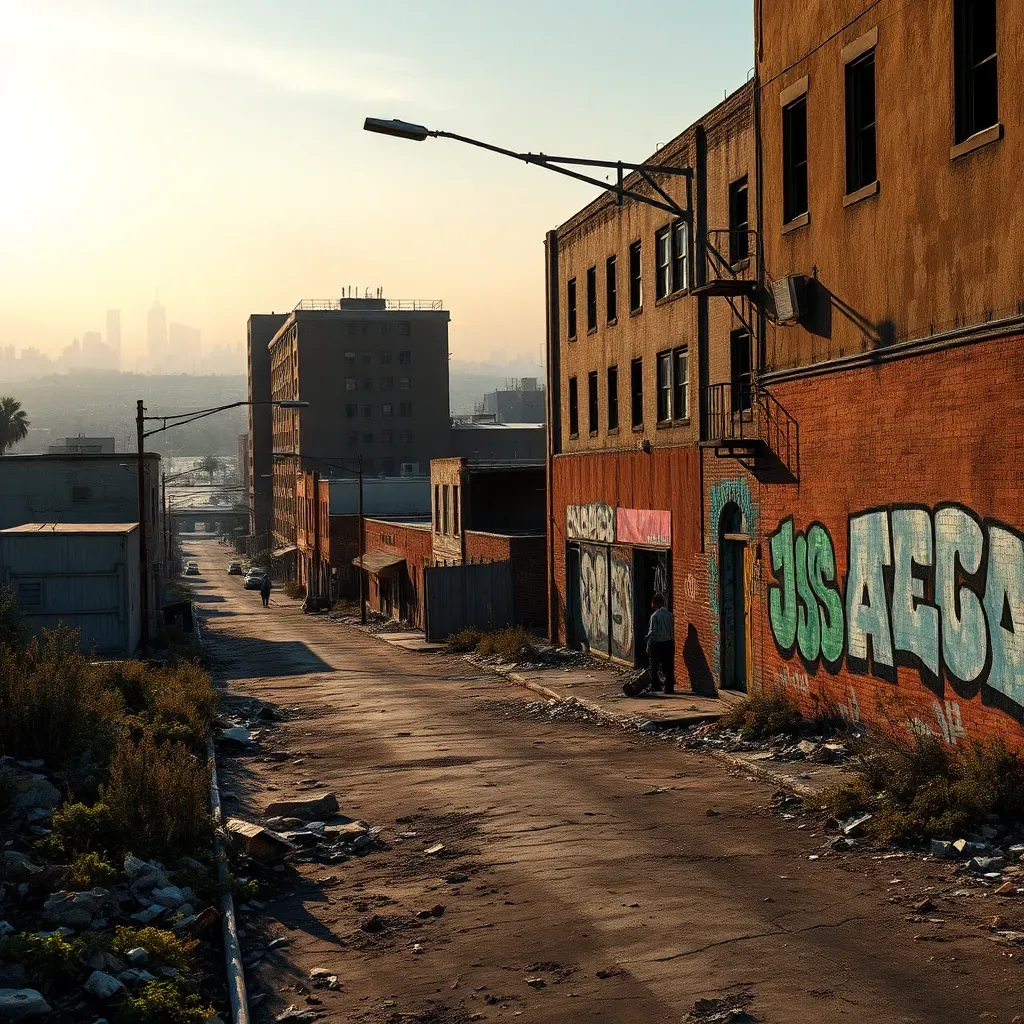
What Makes a City “Worst” to Live In? Understanding the Risks and Realities
When people say a city is one of the “worst places to live,” they usually mean more than just crime numbers. It’s about the overall quality of life — how safe people feel, what amenities are available, and how strong the community is. In LA’s case, several key factors come into play:
- Crime rates Both violent and property crimes affect how safe neighborhoods feel.
- Police presence Areas with less visible law enforcement often see more incidents.
- Homelessness A visible homeless population can impact public spaces and perceptions of safety.
- Poverty and urban decay Economic struggles often lead to neglected neighborhoods and higher risks.
- Gang activity Some parts of LA still face challenges with gangs, which can increase violence and drug-related issues.
These factors combine to create sketchy, rough, and sometimes dodgy neighborhoods that affect daily life and even home values. But it’s important to remember that media, movies, and TV series also shape LA’s image — sometimes exaggerating the dangers, sometimes glossing over them. Many people love LA despite these risks, drawn by its culture, opportunities, and lifestyle. Others avoid it because they don’t want to deal with the gritty realities.
The Real Crime Scene: Breaking Down Los Angeles’ Dangerous Neighborhoods
Los Angeles’ crime landscape is complex. Violent crimes like assaults and robberies happen alongside property crimes such as theft and vandalism. Here’s a look at some of the neighborhoods often mentioned when people talk about risky or hardcore areas:
Downtown LA (DTLA)
DTLA is the city’s economic hub but also struggles with homelessness and violent crime. Residents and visitors report incidents especially at night, and some streets have less lighting and police presence, making them feel unsafe. The area is undergoing changes, but challenges remain.
Skid Row and West Adams
Known for a large homeless population, these neighborhoods face issues with gang activity and drug use. Urban decay signs are visible, and locals often advise caution, especially after dark.
South LA, Compton, Watts
These areas have a long history of gang violence and drug-related crime. While things have improved since the 1990s, some residents still warn about dodgy spots and recommend avoiding certain streets at night.
Lincoln Heights and Leimert Park
Crime rates have been rising here, with reports of both violent and property crimes. Community efforts are underway, but some parts remain rough.
Hollywood and Koreatown
Hollywood looks flashy but has a notable pickpocket and theft problem, especially in tourist-heavy spots. Koreatown also sees higher property crime and gang activity, making some blocks feel shady.
Fashion District and North Hollywood
These areas are known for property crimes like theft and break-ins. Police reports show these neighborhoods as hotspots, though they also have vibrant communities and businesses.
When comparing these neighborhoods to other risky towns in the US, LA’s crime rates vary widely. Some areas are on par with other big cities like Chicago or Detroit, while others are safer. Police reports and crime statistics provide a clearer picture, but locals’ experiences add important context.
Why Some Parts of Los Angeles Are Still Safe and Livable
Not all of LA is messed-up or dicey. Many neighborhoods offer a safe, comfortable lifestyle thanks to strong police presence, community programs, and local investments.
Examples include:
- West LA Known for its residential feel and lower crime rates.
- Marina Del Rey A coastal area with good amenities and active community policing.
- Playa Vista A newer neighborhood with planned developments and safety features.
- Sherman Oaks Family-friendly with parks and schools, generally considered safe.
- Glendale A suburb with a reputation for good public services and low crime.
In a city as big and diverse as LA, “safe” can mean different things. It often involves well-lit streets, visible police patrols, and active neighborhood watches. Spotting a dodgy zone usually means looking for signs like poor lighting, abandoned buildings, or reports of incidents. But many residents find peace of mind in these safer neighborhoods, balancing city life with security.
How Socioeconomic Factors Shape the “Worst Places” in LA
Poverty, unemployment, and housing affordability are root causes behind many of LA’s gritty and messed-up neighborhoods. When people struggle to find jobs or affordable homes, crime and urban decay often follow.
Homelessness also impacts neighborhood safety and livability. Areas with large homeless populations sometimes face challenges like litter, public health concerns, and increased calls for police assistance.
Urban isolation and socioeconomic disparities mean some neighborhoods get left behind. Without investment or community support, these places can become rough environments that affect residents’ daily lives.
Locals often share stories about these challenges — from dealing with occasional break-ins to navigating streets that feel less welcoming. These realities shape how people experience LA beyond the tourist spots and movie sets.
What Locals and Visitors Say: Real Opinions on LA’s Worst Neighborhoods
Voices from Reddit, forums, and social media paint a vivid picture of sketchy hoods in LA. Here’s what some people share:
“I’ve lived in South LA for years, and while there are some dodgy spots, the community is tight. Just gotta know which streets to avoid at night.”
“Downtown LA can feel pretty rough after dark, especially near Skid Row. But during the day, it’s a different vibe with lots of new businesses popping up.”
“Hollywood looks glamorous, but watch your stuff. Pickpocketing is a real problem around the tourist spots.”
These opinions highlight safety tips, personal experiences, and warnings. Sometimes perceptions clash with reality, but they offer valuable insight for anyone curious about LA’s neighborhoods.
Comparing Los Angeles to Other Dangerous Cities in the US
LA isn’t alone when it comes to sketchy cities in America. Places like Chicago, Detroit, Baltimore, Oakland, Philadelphia, and Memphis also face crime and safety challenges.
| City | Violent Crime Rate (per 100k) | Property Crime Rate (per 100k) | Police Presence | Quality of Life |
|---|---|---|---|---|
| Los Angeles | ~700 | ~3500 | Moderate, varies by neighborhood | Mixed – strong culture, but some risky zones |
| Chicago | ~950 | ~3000 | High, but still struggles with gang violence | Challenging in some areas, vibrant in others |
| Detroit | ~1700 | ~4000 | Lower, with budget constraints | Economic struggles, urban decay |
| Baltimore | ~1100 | ~3500 | Moderate, with community policing efforts | High poverty, but strong neighborhoods too |
While LA’s crime rates are serious, its size and diversity mean some neighborhoods are safer than others. Many still choose LA for its opportunities and lifestyle despite the risks.
How to Stay Safe and Make Smart Choices If You’re Living or Visiting LA
Navigating dodgy zones in Los Angeles requires some street smarts and preparation. Here are practical tips:
- Avoid walking alone at night in poorly lit or less populated areas.
- Stay informed about neighborhood safety through local news and community groups.
- Use apps that track crime reports or allow you to share safety alerts.
- When renting or buying, research crime stats and visit neighborhoods at different times.
- Trust locals’ advice about which streets or blocks to avoid, especially after dark.
Balancing lifestyle, budget, and safety means knowing where to draw the line. LA offers many great places to live, but some risky spots are best approached with caution.
The Future of Los Angeles Neighborhood Safety: Signs of Hope and Challenges Ahead
LA is actively working to improve safety and livability in its bad parts. Initiatives include:
- Community policing reforms to build trust and reduce crime.
- Urban renewal projects aimed at fixing up neglected areas.
- Programs addressing homelessness with housing and support services.
- Investment in parks, lighting, and public spaces to boost neighborhood pride.
Challenges remain, especially with poverty and gang violence. Experts and locals agree that progress is slow but ongoing. These changes could shift LA’s reputation from a worst best place to a more balanced city to live in.
Crime Rates Comparison: Los Angeles vs Other US Cities
Los Angeles
Chicago
Detroit
Baltimore
Los Angeles
Chicago
Detroit
Baltimore
Is Los Angeles Really One of the Worst Places to Live?
Los Angeles is a city of contrasts. Crime and safety issues affect some neighborhoods more than others, shaped by socioeconomic factors and urban challenges. While media and movies sometimes paint LA as a shady or hardcore place, the reality is more nuanced.
Many parts of LA remain safe and livable, with strong communities and good amenities. Others require caution and awareness. Whether LA is one of the worst places to live depends on your priorities, lifestyle, and where exactly you plan to be.
If you value culture, opportunity, and diversity, LA might still be a great fit. But if safety and quiet neighborhoods top your list, some areas might give you pause. Knowing the facts and listening to locals can help you make the best choice.
Opinions From Real People: Voices on LA’s Dangerous and Sketchy Neighborhoods
“Downtown LA has its rough spots, but it’s changing fast. Just gotta keep your eyes open and avoid certain blocks at night.”
“South LA still has some risky areas, but the community is strong and working hard to improve things.”
“Hollywood’s pickpocket problem caught me off guard. It’s a reminder that flashy doesn’t always mean safe.”
Sources and References for Further Reading
- KTLA: Los Angeles Ranked One of the Worst Cities in America for Parks
- Property Club NYC: Most Dangerous Neighborhoods in Los Angeles
- Reddit: Worst and Most Undesirable Areas in LA County
- Medium: Los Angeles: The Worst Best Place To Live In America
- TripAdvisor: Dangerous Areas in LA
- USA ESTA Online: Most Dangerous Districts in Los Angeles
- Fresno Criminal Attorney: Top 100 Most Dangerous Cities in California
- CrimeGrade: Safest and Most Dangerous Places in Los Angeles
- Quora: Why is Los Angeles a Horrible Place?
- TripAdvisor: Areas to Avoid Around Downtown LA
What do you think about the safety and livability of Los Angeles? Have you experienced any sketchy or safe neighborhoods firsthand? How would you balance the city's risks with its opportunities? Share your thoughts, questions, or stories in the comments below!
 Is Los Angeles family safety a myth? Discover the shocking truth now
 Is Oakland dangerous for tourists? Shocking truths revealed
Si quieres conocer otros artículos parecidos a Is Los Angeles Worst Places to Live? Shocking Truths You Can’t Ignore puedes visitar la categoría California.
Leave a Reply